- This event has passed.
A Hydrogen-Grilled Dinner Celebrating the Landings of Apollo 11 and Viking 1
July 20 @ 17:30 – 21:00
HydrogenCuisine
Do you know what significance July 20 holds?
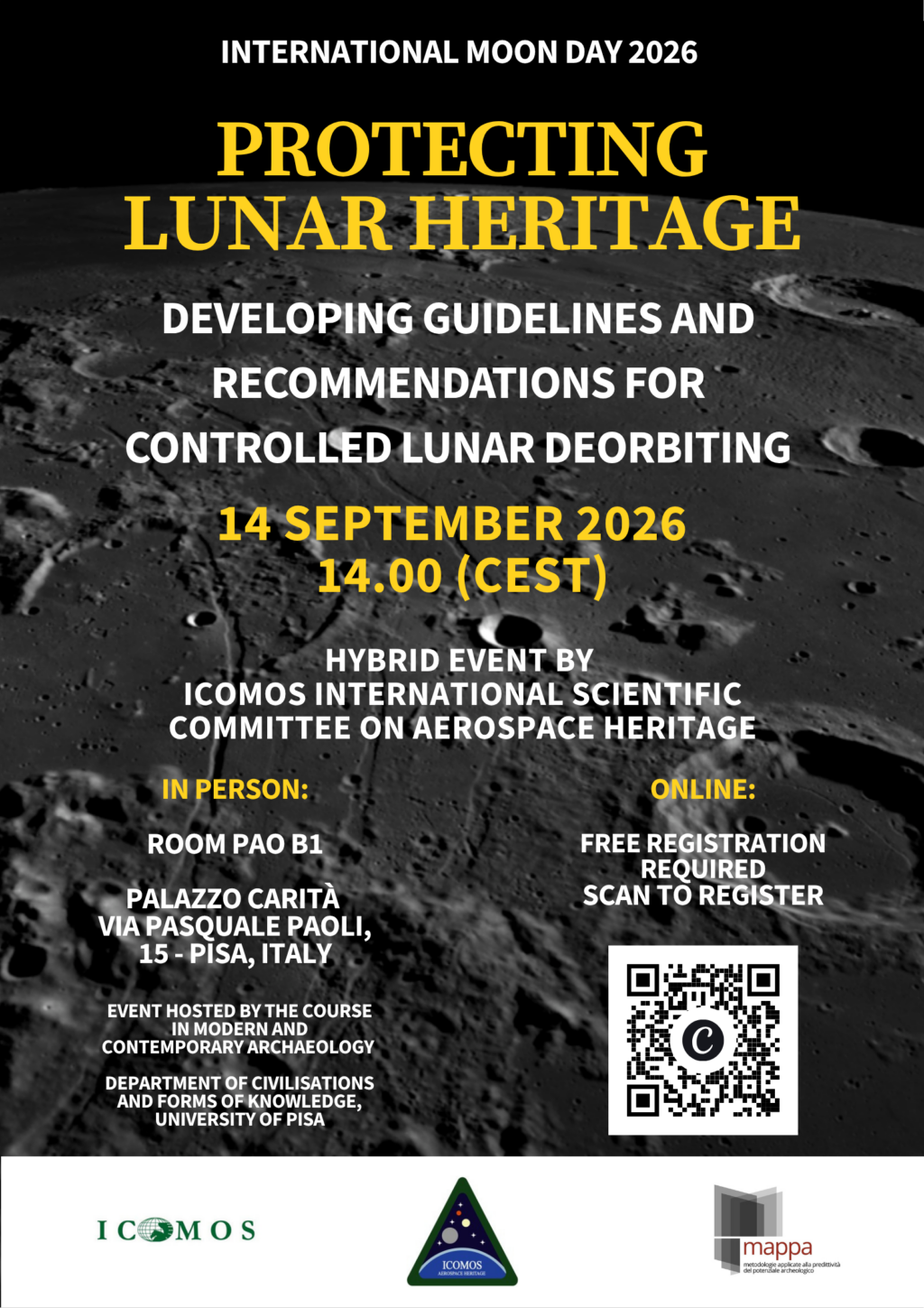
“International Moon Day” was established in 2021 to commemorate humanity’s first moon landing by Apollo 11 on July 20, 1969, and to raise global awareness regarding the peaceful use of outer space and the importance of sustainable lunar exploration.
Moon Association
Furthermore, July 20 also marks the day in 1976 when the Mars probe Viking 1 landed on Mars, following the Soviet Union’s Mars 1 mission.
This year marks the 50th anniversary of the lander touching down on the Chryse Planitia (Plains of Gold) on Mars at 20:53 on July 20, 1976 (11:53 UTC). It transmitted the first color images from the Martian surface.
Regarding the launch vehicles for these landers: Apollo 11 used the Saturn V, while Viking 1 used the Titan IIIE. Notably, the Titan IIIE featured the Centaur stage—the first rocket stage to utilize liquid oxygen and liquid hydrogen as propellants.
The development of hydrogen liquefaction technology—capable of achieving cryogenic temperatures of 20K (-253°C)—was primarily conducted at NASA’s Goddard Space Flight Center. This technology remains significant today, drawing attention for its role in hydrogen storage within the context of renewable energy systems.
With this in mind, we would like to host a dinner event featuring hydrogen-cooked cuisine, where we can reflect on space exploration and the future of a circular energy society on Earth. Due to venue constraints, participation is limited to a small group of six people on a first-come, first-served basis.
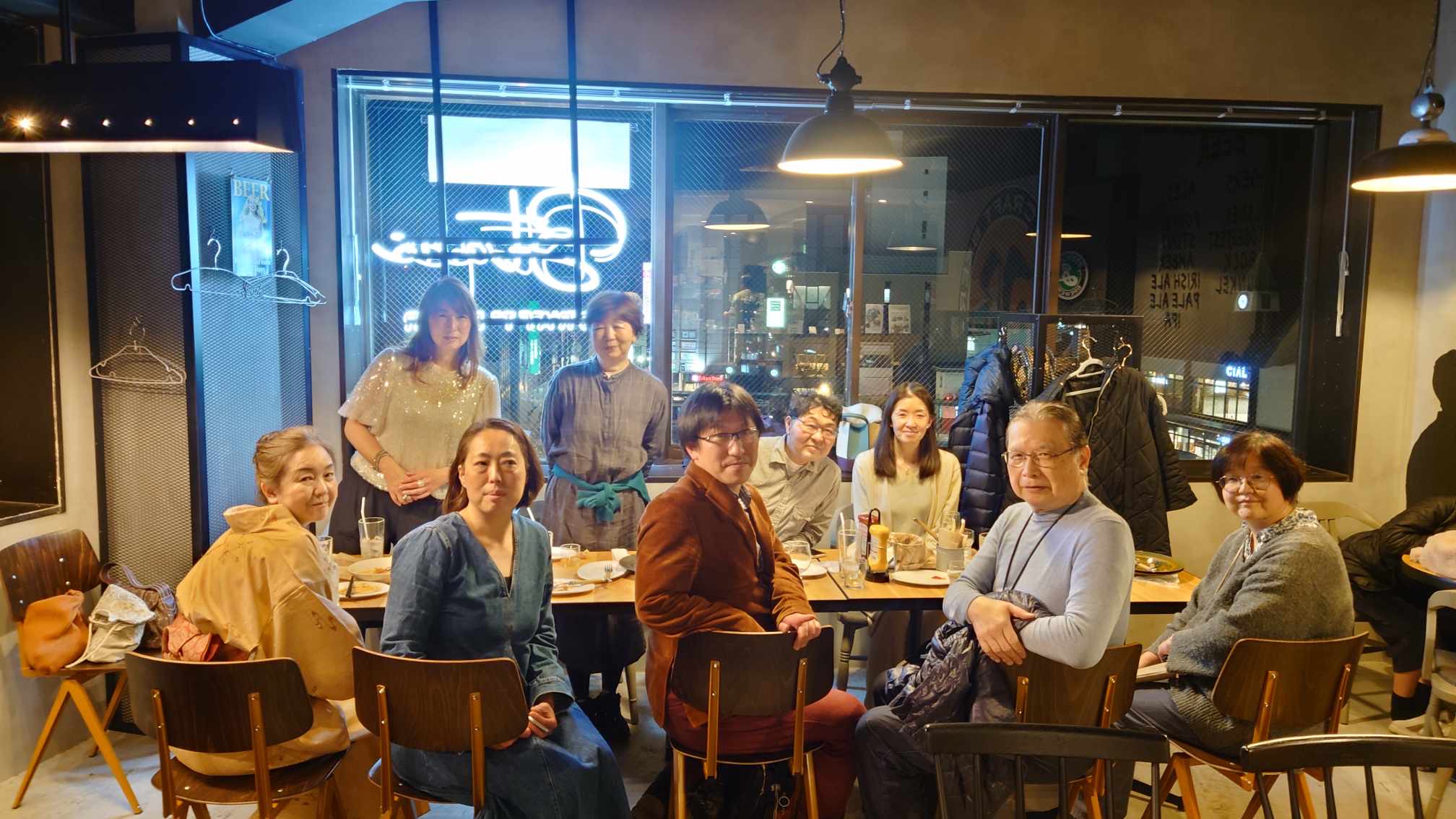
We received feedback from several participants of “Yuri’s Night” (held on April 12, 2026) expressing a desire for regular, casual gatherings centered around space-related themes. In the past, I frequently organized space-related events at venues like Tokyo Culture Culture, which led to the formation of research groups and startups. Although I hadn’t taken the lead on such events recently, I hosted a gathering on the evening of May 29 (Friday)—the final day of SPEXA—at the Kyoto Shabu-Shabu CHIRIRI Shinagawa branch.
We enjoyed a delicious meal and drinks while engaging in deep, off-the-record conversations about space.
For the upcoming event, we plan to meet at “icHi,” a restaurant in Hamamatsucho known for its hydrogen-grilled cuisine.
https://ichi-tokyo.jp/
Address: 1-23-6 Hamamatsucho, Minato-ku, Tokyo 105-0000
Map: https://maps.app.goo.gl/feAHkDS9d7aaT2wi6
Seating: 6 counter seats (plus two tables for four)
We are planning a 13,000-yen course (drinks separate) with a maximum of 6 counter seats, allowing us to watch the hydrogen-grilling process.
To help with restaurant arrangements, I would appreciate it if you could indicate your intention to attend by clicking the “Join” button as soon as possible—even if it is just a tentative decision.
Due to reservation requirements, I will close the initial headcount at 5:00 PM on Sunday, July 12. (Changes can still be made after that time.)
It is deeply moving to reflect on how the space events I organized in the past—such as Yuri’s Night and Japan’s first World Space Week event at Tokyo Culture Culture—have served as catalysts, meeting grounds for startups, and driving forces for projects that are now in the spotlight. These events paved the way for initiatives like the private lunar exploration project HAKUTO (with its inclusive public participation and sponsorship strategies) and fostered international networks and policy proposals among young space professionals at forums like the UN Committee on the Peaceful Uses of Outer Space. Amidst the increasingly tense situation in the Middle East—which is forcing a re-evaluation of petroleum-based energy and highlighting the need for autonomous alternative energy sources—I spent the past year in Yamanashi Prefecture (a hub for hydrogen initiatives) working on a project to develop a hydrogen liquefaction magnetic refrigeration system. That project, based at the Yonekura-yama Next-Generation Energy R&D Village (Nesrad)—located near the planned site for the Maglev Shinkansen station at the Kofu-Minami Interchange—involved optimizing the distribution of locally produced renewable energy (including storage, transport, and utilization). Now that I have returned to Yokohama, I hope to build connections that can serve as a catalyst for the next steps in resolving these challenges.